Showing posts with label BSA 106. Show all posts

Sunday, 30 October 2016

The Wall

Pink Floyd The Wall 1982


Directed by: Alan Parker

Screenplay by: Rodger Walters

Animation Director: Roland Carter

The main themes of Pink Floyd The Wall were presenting the horrors of communism, the film uses animation with live action to give a disturbing picture of what the realities are are people living under corrupt governments. The film could be considered a surrealist film with its frequent use of things like marching hammers etc.


Films that have blown my mind

Films that have Blown my mind,

From early memory:

The CGI when I first saw Starwars episode 1, really impressed me


Another film that impressed me was The matrix


I think the difference then till now is that I was impressed with computer graphics, now I am impressed more with the story. However, If the film is different and I know more of the background n how they made it I am more impressed

From recent memory was Ben Hur this blew my mind because I found out before I saw the movie that all the work with the horses was real and not CGI:

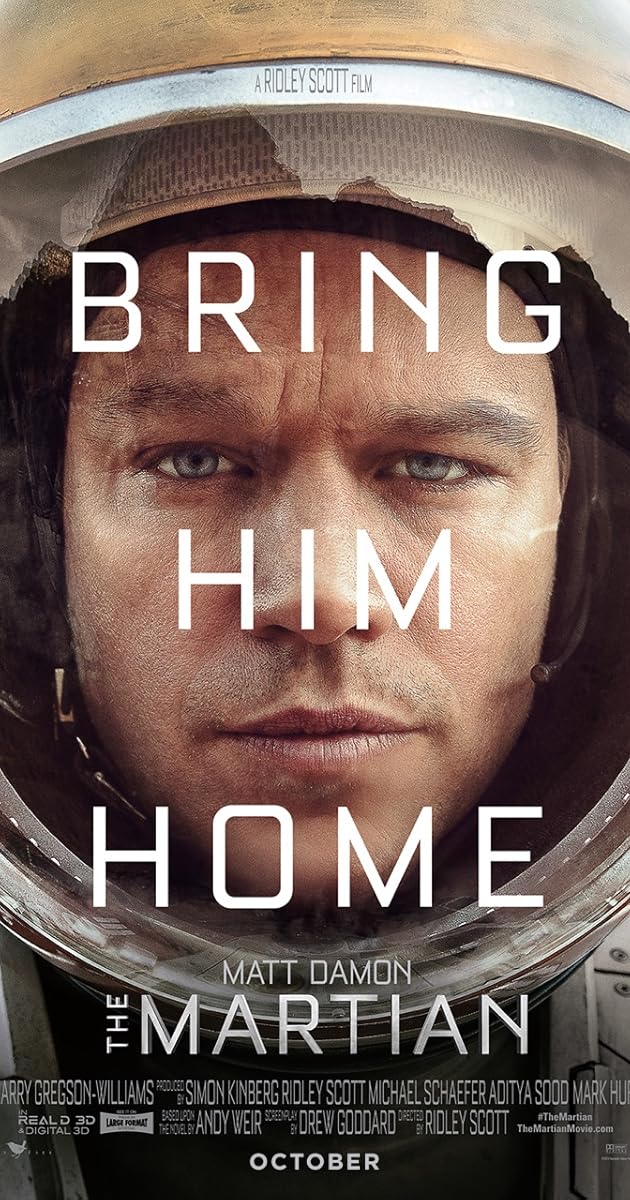
Another movie that really impressed me was The Martian, which blew my mind with the detail that they went to get the movie scientifically accurate. 


Films with an uplifting effect

Films that evoked an uplifting effect: 

From early memory:

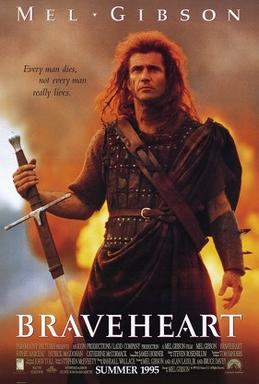
I found the battle speech scene in Braveheart to be uplifting. speaking against fear and reminding people why they are fighting.


And another was in Gladiator when the protagonist is asked his name, and he replies knowing who he is...


From recent movies:

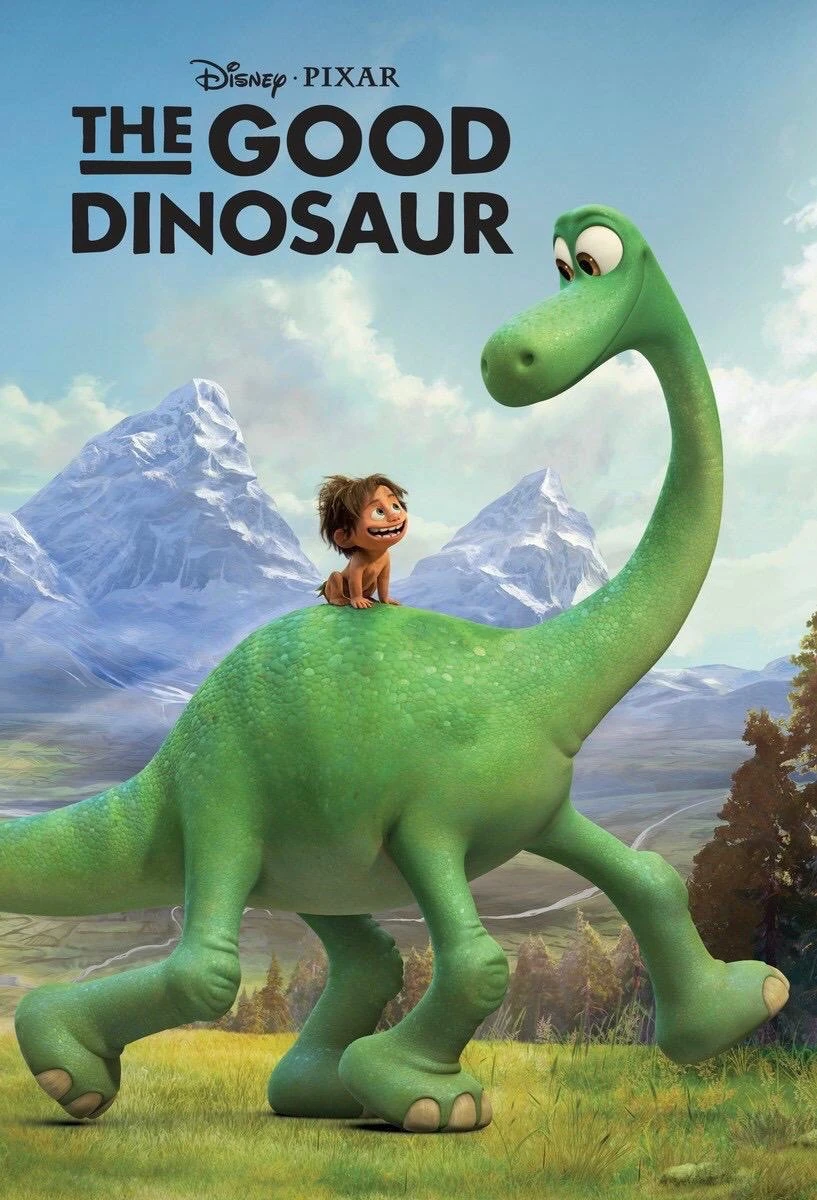
I found the resolution scene when the dinosaur is reunited with his family, really inspiring.


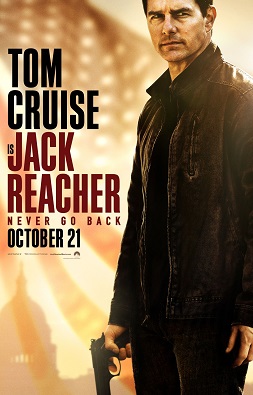
Also, the resolution in Jack Reacher was very uplifting when the girl goes back to hug the protagonist the the end.


Commedic films

Films That have had a comedic effect:


From early memory:


Laural and Hardy


Shanghai Noon


I found that watching these films again I didn't find them as funny as I remember, I think as a child I preferred funny actions rather now I prefer movies that bring up awkward situations to bring abo ut a comedic effect.

Recent memory.

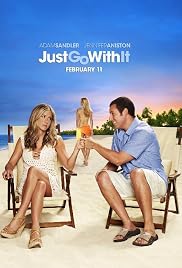
Just Go with it


Moms night out


Wednesday, 26 October 2016

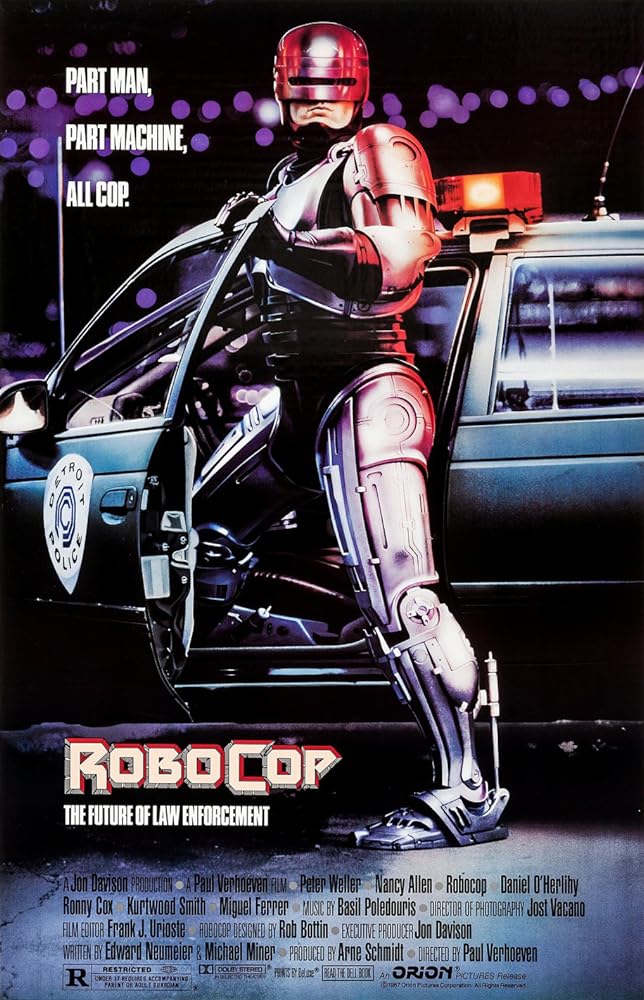
Robocop Review

Robocop 1987


Directed by Paul Verhoeven

Other films by the same director: Total Recall 1990, & Starship Troopers 1997

The main themes in the movie robocop are about corruption and greed, also about AI technology being potentially dangerous. Considering the technology of the time the film was made I think that Robo cop was well made, obviously not as spectacular as CGI but none the less it still told the story.

I probably would not recommend this film as I find the main charicter unrelatable and almost completely void of emotion. I feel like they tried to make some kind of emotion but it had no resolution as we never met the wife and son, except in memory flashbacks.


Wednesday, 14 September 2016

Animations 1980's and Film Reboots


Opinion


A worse remake of a film?
Batman vs Superman 2016... after the Dark Knight films this film made this remake of Batman is pretty bad with regards to concept, story, costume, and just overall everything.

A better Remake of a film?
Movie Ben-Hur 2016 was much better with regards to cinematography, set design, casting.


One film that should be remade...
One film that should be remade is The Lion the Witch and the Wardrobe as I thought the movie was very poor compared to the book.

Canada
Gerald Potterton
  • Created Heavy Metal (1981) an adaption of cult adult comic book of the same name.
  • Film is composed of many psychedelic, sci-fi fantasy stories about sex, violence and rock n roll.
  • Animation was divided between many different studios and directors. 
  • A lot of rotoscoping human characters was used.
Nelvana Studio
  • —Created Rock & Rule (1983)
  • Similar style to Heavy Metal (1981)
  • —Featured a post apocalyptic world where mutant animals have taken over.
Richard Condie
  • —Created The Big Snit (1985)
  • Simple drawings, wobbly lines, and a refusal to take anything seriously
France
Paul Grimault
  • —Formed a small animation company with Andre Sarrut and created many short animations.
  • —Started making a film in 1948 with the title The Shepherdess and the Chimneysweep.
  • —Sarrut screened an unfinished version of the film in 1952 and Grimault fell out with Sarrut and production was halted.
  • —Grimault won the rights to the film in 1967 and the film was finished in 1980 (32 years after production first started) and renamed the film The King and the Mocking Bird.
UK

Dianne Jackson
  • Created The Snowman (1982)
  • Nominated for 1983 Academy Award for best animated short film.
  • One of the most successful British family orientated animations, later to be superseded by Aardman Animations.
Cosgrove Hall Productions
  • The Wind in the Willows (1983)
  • Worldwide success of the stop-motion film led to a 52 episode TV series and a second film A Tale of Two Toads (1989)
John Halas 
  • Created the short Dilemma (1981)
  • Following the limitations of his previous experiment with CG used in Autoban (1979), Dilemma claims to be the first fully digitized CG film.
  • Autoban (1979) and Tron (1982) also made this claim though it is unclear how much is actually cel animation made to look like CG.
Gerald Scarfe
  • Created 15 minutes of animation for Pink Floyds film The Wall (1982)
  • Film is about a mental breakdown of a rock star called Pink (based on former Pink Floyd member Syd Barrett who suffered a drug fuelled breakdown)
  • Film explores the feelings of isolation and alienation.
  • Animated sequences were inspired by Gerald’s childhood memories of the Germans bombing England during World War II
UK/Canada
Steve Baron

  • Directed Money for Nothing (1985) by Dire Straits (one of the first computer animated videos and a landmark in CGI) Animation was done by Ian Pearson and Gavin Blair.
  • Steve Baron also directed A-ha’s Take On Me (1985)
  • Video was animated by Michael Patterson, who makes the singer of the band come alive from a comic book using rotoscoping technique.
German/Canada
Frederic Back
  • German by birth, his films are an examination of Canadian culture.
  • Created Crac! (1981) A story of the life of a rocking chair.
  • Early example of of the pastel shaded look that become popular in the 80’s

Czech Republic
Jan Svankmajer
  • Created Dimensions of Dialogue (1982)
  • A film about the how humans communicate and how this can go wrong.
  • Also created Alice (1988)
  • Mixture of live action and stop-motion.


Wednesday, 7 September 2016

1980's Film History and Sequels

Sequels
Sequels generally in my opinion are always worse...


Transformers 2007
Transformers 2 2009 Michael Bay


However if the story was written before and the move was designed from the start to have a sequel then it is almost always as good if not better.


The Bourne Trilogy 2000, 2004, 2007. directed by Doug Liman, Paul Greengrass
Batman Begins, The Dark Knight, The Dark Knight Rises 2005, 2008, 2012 directed by Christopher Nolan


Hollywood Blockbuster


1980's Introduced "High concept" films
Easily Categorized characters
Familiar plots
High and stylish productions
Aimed at mass appeal
Fast food promotional


Prototypes from 1970's: Jaws, Star wars, Alien.


Don Simpson, Jerry Bruckheimer: Beverly Hills Cop, Top Gun


Teenage comedy.
Porkys, Revenge of the Nerds


John Hughes
Sixteen Candles, The breakfast club, Weird Science, Ferris Bueller's Day Off.


Sequels...
Many sequels were made which were mainly the same story.
Revenge of the Nerds, Revenge of the Nerds 2, Revenge of the Nerds 3, Revenge of the Nerds 4.


Horror also became very popular.


Action sequels
First blood (4)
Rocky (6)
Terminator (5)
Indiana Jones (4)
Die hard (5)
Lethal weapon (4)


Spoof films
Naked Gun
Aeroplane
Spaceballs
This is Spinal Tap


Animation
Tron 1982 used computer graphics with live action.
Who framed Rodger rabbit 1988


Science fiction
Blade runner 1982
E.T. 1982
Robo cop 1987


Drama
Field of Dreams
Cocoon
Dead poets society


War Films
Gallipoli
Platoon
Born on the fourth of July


Dance films
Dirty Dancing
Flashdancer
Footloose


Adventure
The Goonies
The Never Ending Story
Labyrinth


Howard The Duck 1986
Regarded as one of the worst and least successful big budget films.


Batman 1989
Made $411m and $750m from merchandise.


MTV played a big part in the rise of cable television in homes, but while it started it had many repeats as the reservoir of music videos was very small, Singles such as Billie Jean and Beat It from Michael Jackson’s Thriller (1982) not only showcased the strengths of the music video format but proved that exposure on MTV could propel artists to superstardom.


By the mid-1990s, the majority of MTV’s daily schedule was devoted to programming that was not related to music. Its sister station VH1 had been broadcasting adult-oriented rock videos since 1985, and the documentary series Behind the Music. MTV Networks launched MTV2 in 1996, with the intention of recapturing the spirit embodied by their “I want my MTV” advertisting campaign in the 1980s.





Wednesday, 31 August 2016

Watership down

Watership Down 


Directed by Martin Rosen
Based on the novel by Richard Adam

Originally U-rated, which is the equivalent of PG today. according to the 'Mirror', the film would not be rated PG today because of the violent scenes but also BBFC David Austin said the language is unacceptable for a U-rated film.

Watership Down is an interesting movie supposedly aimed at children but is full of propaganda for many things. the first is environmental awareness, and how building houses for people, kills rabbits. The second major theme is Communism referring to the dividing line for the rabbit's territory as "the iron road" no doubt a direct reference to The Iron Curtain from the days of communism. Overall I think the film had too many points and was animated in a style for children but the running themes were for adults.


Wednesday, 3 August 2016

Animation History 1970 - 1975 & Emotional Responses

Film examples that evoke an emotional response:


Early childhood:


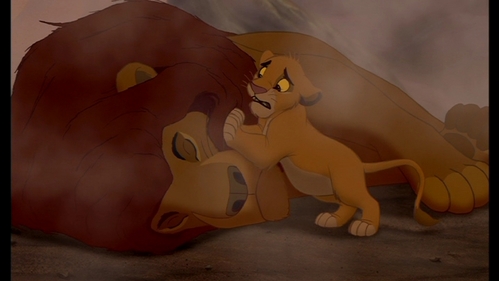
The Lion King 1994:


Forest Gump 1994: 


Recent:


Boy in Striped Pajamas 2008:


Man On Fire 2000:


Lillian Schwqartz: Artist and pioneer in computer animation.


USA
A Christmas carol 1971
Richard Williams


France
Serge Danot
The Magic Roundabout 1963 TV series
500 episodes made between 1963 and 1970


Frace/Czech republic
Rene Laloux
Fantastic Planet 1973


France/Poland
Piotr Kamler
The Step 1974


Japan
Renzo & Sayoko Kinoshita
Made in Japan 1972


Hayao Miyazaki & Isao Takahata
Heidi 1974 TV series


Norway
Ivo Caprino
The Pinchcliffe Grand Prix 1975
Took 3 and a half years to make
shown daily for 28 years in some theaters


Hungary
William Feigenbaum & Jozsef Gemes
Hugo the Hippo 1975
first international release from Hungary.


UK
Bob Godfrey
Karma Sutra Rides Again 1971


Wednesday, 27 July 2016

New Holloywood & Frightening films


Two examples of scenes from films that were frighting when I was a child.

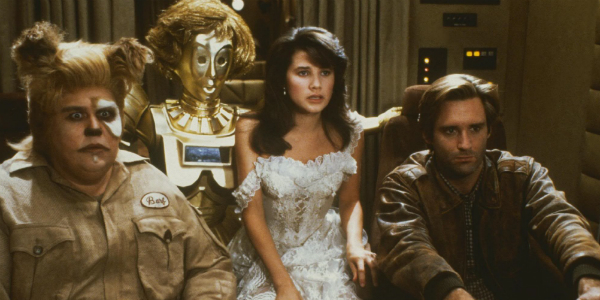
Spaceballs 1987 - Monsters in this were frighting when I was 5 years.


The Matrix 1999 - The scene where neo is captured by Mr. Anderson and injected with a data worm.


Two recent examples of films that disturbed me are:

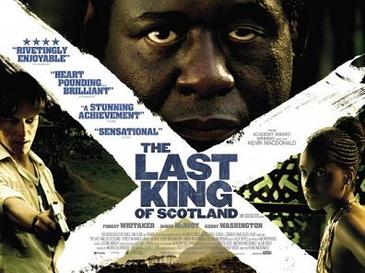
The last king of Scotland: Scenes of grotesque violence disturbed me:


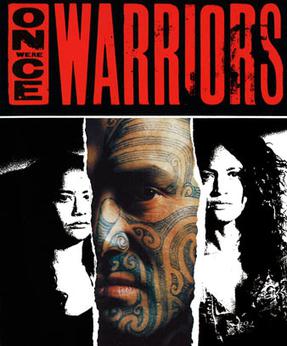
Once were warriors: Intense domestic violence scenes.


New Hollywood


The Beginnings
During the Golden Age of Hollywood (1930 – 1960), most film directors worked for one of the major studios


Little Fugitive (1953) By Ray Ashley, Morris Engel & Ruth Orkin


New York New Wave
Lionel Rogosin made On the Bowery (1956) – Neorealist view of New York that has a mixture of documentary and scripted footage.

Robert Frank made Pull My Daisy (1959)

John Cassavetes made Shadows (1959) – Contains improvised dialogue and a narrative with interracial romance.

Shirley Clarke made The Connection (1961) – A mixture of cinema verite and French New Wave. Her films depict drug addicts, sex workers and different races mixing together.

New Hollywood
A new generation of young filmmakers emerged in the late 1960s and early 1970s 

Alfie
Georgy Girl 
Blow Up 
The success of these films showed that American audiences were open to films with more explicit content and different narrative structures. 

Bonnie and Clyde 1967


Eventually, actor Warren Beatty read the script and decided to produce it and hired Arthur Penn to direct. The film was funded by Warner Brothers. 

Jack Warner disliked the rough cut and gave the film a limited release. The film also received bad reviews. 

The film however was well received in England. Beatty managed to get Warner Brothers to re-release the film and it became a success and was nominated for Academy Awards. 

Notable at the time for it’s depiction of sex and violence.

The Graduate 1967
Director Mike Nichols won Oscar and film received multiple nominations Soundtrack consists of songs by Simon & Garfunkel Introduced the world to Dustin Hoffman Benjamin Braddock (Hoffman) has just finished college and is unsure of what to do with his future, when he becomes sexually involved with a friend of his parents… Mrs Robinson.

Fritz the Cat 1971
Far from the traditional child-targeted animated films.

Ralph Bakshi believed that with all the changes in society and the new social power and economic freedom of the young people, it was time to take adult animation seriously.

Taking the comic strip character created by Robert Crumb, he made what became the first X-rated American cartoon.

Fritz lives an alternative lifestyle among students in New York who experiment with free love, drugs and rock n roll.


Wednesday, 20 July 2016

Cinéma vérité and Direct Direct Cinema

Cinéma vérité and Direct Direct Cinema.

From 1930 - 1940, films were shot on 35-millimetre film meant that cameras and recorders became much larger and heavier, reducing portability and the ability to record spontaneous action.

—By the end of the 1950s, several technological advances came together, including better 16-millimetre film stock, lenses for shooting with natural light and especially smaller, lighter (and sometimes integrated) sound recorders.


—By 1962, camera operators were able to hand-hold or rest cameras on their shoulders allowing mobile shooting with minimal interference.

—These new cameras and recorders enabled an entirely different style of shooting documentary film. For the first time, film-makers were able simply to follow their subjects around as they went about their business – or to take cameras into public spaces without causing huge disruption. These tools revitalised the documentary form in the 1960s and 1970s.


Cinema Verite

To obtain truth from the subject, the presence of the film-maker must be acknowledged or even discussedThe principal method is participation between film-maker and subject, often through interviewsCommentary is vital, whether in voice-over or through on-screen presenceThe audience is free to identify with the film-maker’s or the subject’s position and point of viewThe film-maker is a ‘fly in the soup’, intervening to get a response.


Direct Cinema

To obtain truth from the subject, the film-maker should be as unobtrusive as possible.
The principal method is observation of subjects behaving within their environment.
Commentary is minimal or absent so that subjects can speak for themselves.
The audience members should forget the film-makers and feel as if they’re in the room 
with the subjectsThe film-maker is a ‘fly on the wall’, watching but practically invisible.

Ethics
Documentary film makers have a responsibility towards their human subjects—
Audience expects that film makers treat people with respect and represent them honestly
on camera. —Difficulties can occur around films that depict vulnerable participants, such as children or the mentally ill.

—Moral questions are raised in regards to exploiting subject in the name of entertainment.

Documentary revival - 2000s

Blending Real and Unreal...

Reality T.V. shows - so many
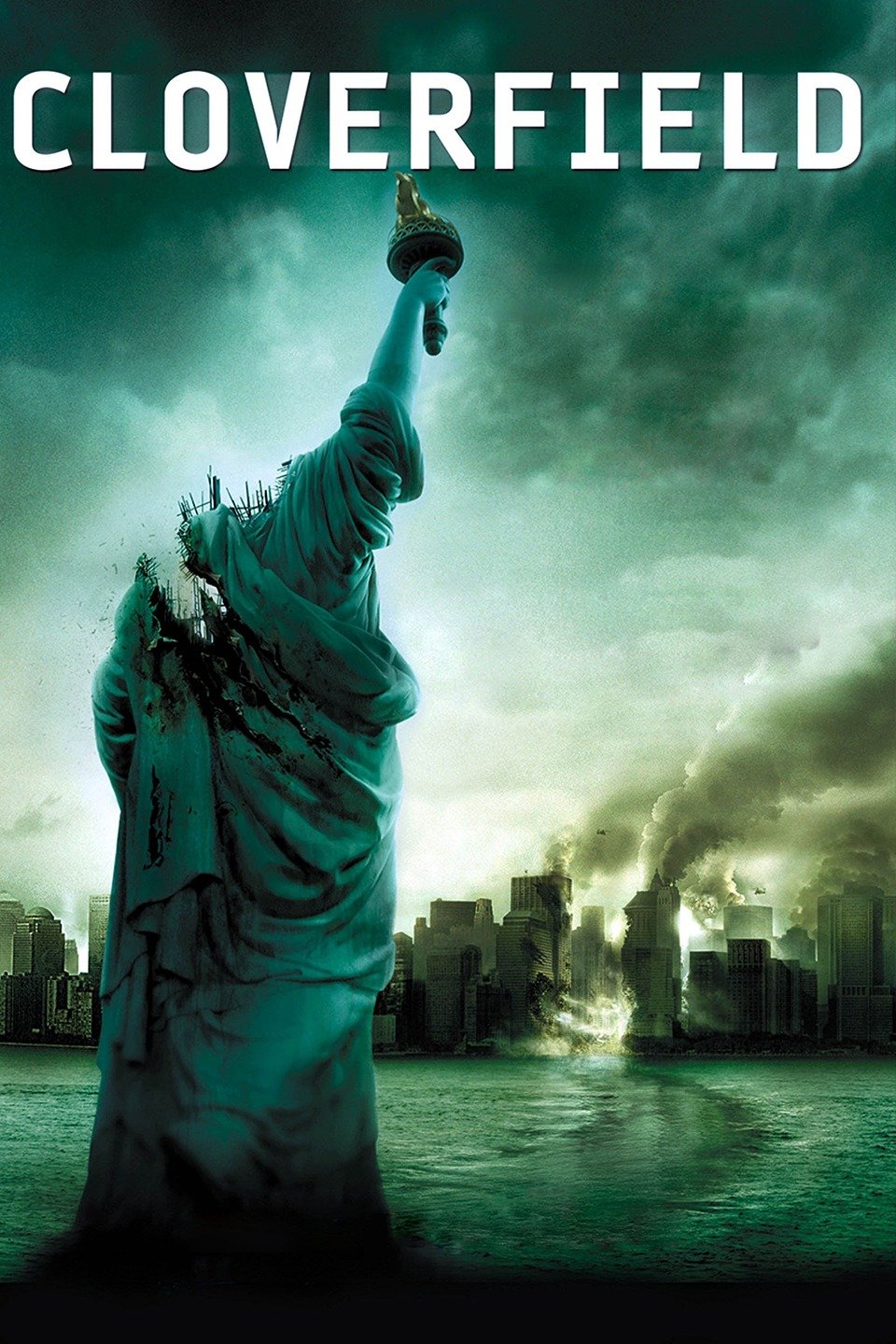
Found Footage - Cloverfeild 2008


Mockumentaries - This is spinal tap 1984

An example of Cinema Verite would be the Act of Killing by Joshua Oppenheimer

An example of Direct Cinema would be the Mirror directed by Jafar Panahi.


Wednesday, 13 July 2016

La Jetee Review

La Jetee 1962 - Chris Marker


La Jetee is a film made by Chris Marker It is made completely out of Photographs (except one short clip of film) La Jetee has a narration to describe the story enhanced with music and black and white still images. Overall the photography is visually appealing with carefully lit subjects that enhance the mood of the film. However the film is very slow and the story is very dull. This technique could be used if the story was more gripping and the narration was more intonated.

Film Strengths: Aesthetic photographs.
Film Weaknesses: Storyline too complex and abstract, narration unemotional, music dull.

A film that inspired Chris Marker was Alfred Hitchcock's Vertigo

Films that have been inspired by La Jetee; Deja Vu, The Matrix, The Butterfly Effect, 12 monkeys.


Annimation 1965-1970

Russia


Andrei Khrjanovsky
There Lived Kozyavin 1966
The Glass Harmonica 1969 - first animated film to be banned in Russia


Japan


Toei Doga
Cyborg 009 - manga comic similar to Asro boy.


Hiroshi Sasagawa
Speed Racer - originally Mach GO GO GO.


USA/Japan

Jules Bass
Mad Monster Party 1967 - produced by MOM


USA

Disney
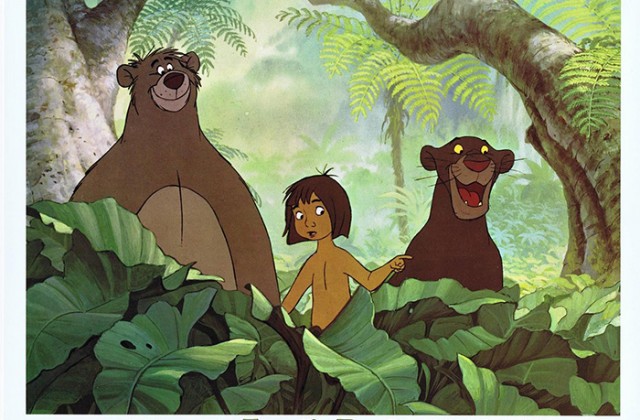
The Jungle Book 1967 - animation based on filmed performances of voce actors


Belguim

Belevision Studios
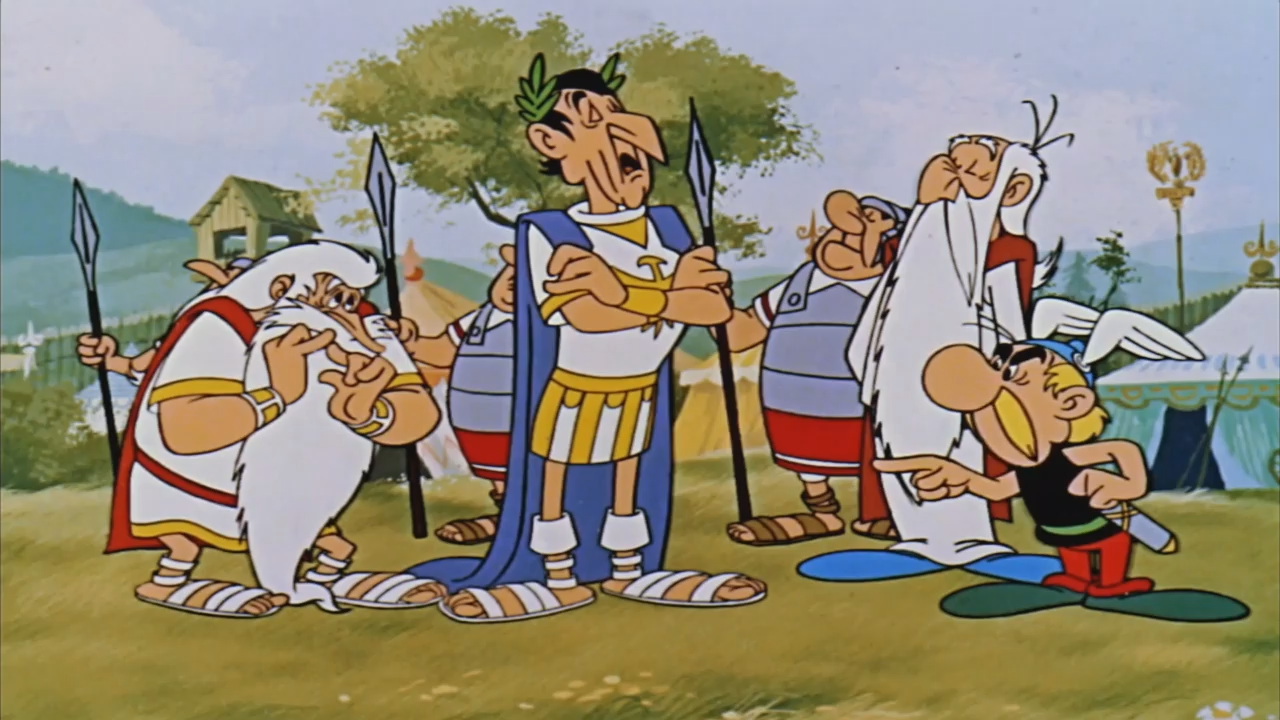
Asterix The Gual 1967 - created without the consent or knowledge of authors.


Croatia

Ziatko Grgic
Professor Balthazar 1967 - 52 episodes
Pavao Stalter & Branko Ranitovic
Masque of the Red Death 1969

Canada

Eva Szasz
Cosmic Zoom 1968 - similar to book powers of 10
Ryan Larkin
Walking 1969


UK/USA

Terry Gilliam
Storytime 1968

UK

Oliver Postgate & Peter Firman
The Clangers 1969

George Dunning
Yellow Submarine 1968


Italy

Osvaldo Cavandoli
The Line 1969 - 90 episodes


USA

Marv Newland
Bambi Meets Godzilla 1969


Monday, 20 June 2016

The Equalizer montage techniques

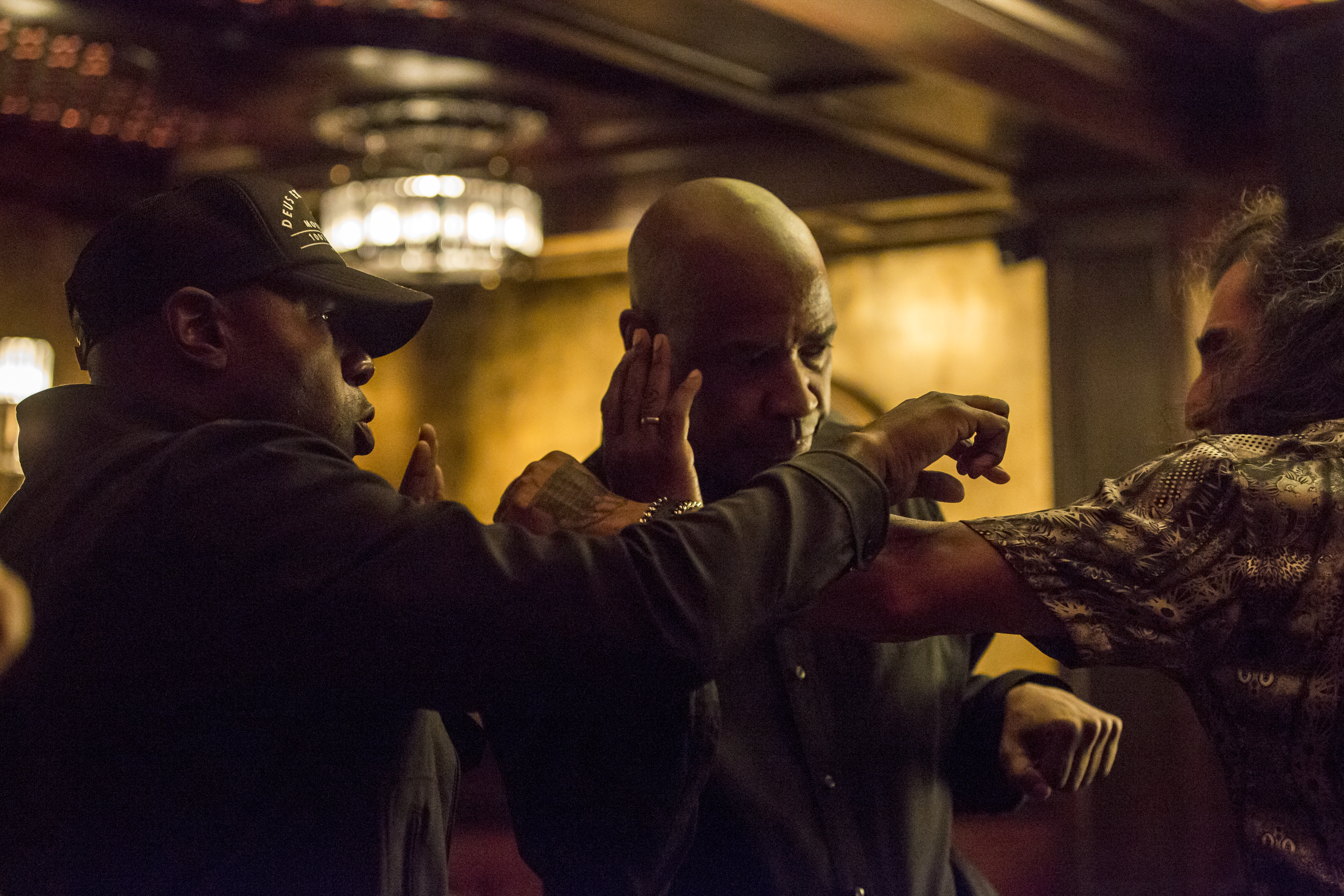
The Equalizer

The Equalizer uses many montage techniques. one montage that could be described as over-tonal
Is a scene where Robert McCall confronts the Russian mob.


 The montage switches between different
shots of the facial expressions of the mobsters for a set length of time (metric),


Secondly cutting on action to show the movements of protagonist  (rhythmic)


Finally fast cuts of facial expression to objects in the room displaying the fast pace emotions. (tonal)


Overtonal Montage

Overtonal montage


Overtonal montage is a combined mix of three of the five methods of montage defined by Eisenstein. Overtonal montage includes a mix of rhythmic and tonal montage as discussed previously but can also include metric montage into the mix, which is cutting based on time (Zettl, 2013). Overtonal montage may leave a take longer as a tonal cut to capture an emotion on a face, then cut rhythmically to display an action then cut metricly to display the surroundings of a particular scene. In The Bourne Identity (Crowly, Gladstine, Liman, 2002) overtonal montage is used frequently because the film has many scenes which have a mix of emotion and action happening at the same time. The scene of the car chase through Paris mixes rhythmic and tonal cutting, making the the car chase dramatic as well as using longer takes of the actors faces to show the emotions of the characters. Along with the rhythmic and tonal cuts, metric montage is also used in some overhead shots to show surroundings for a set length of time, then it will cut back rhythmically and tonally overall making up an overtonal montage. The use of overtonal montage used by Doug Liman is also demonstrates the direct influence of Soviet montage on modern film.

Tonal Montage


Tonal Montage


Tonal Montage is another technique within the five methods described by Eisenstein. The method determines the cuts according to the dominant emotion that is displayed on screen. For example if a particular scene shows people grieving at a funeral, the film will be cut so that the full emotion of the actors faces and surroundings will be displayed and reflect the tone of the piece. If the editor chose fast cuts to make up the montage it would not reflect the tone and not capture the emotion that the scene is displaying. However if there were slow cuts piecing together scene it would reflect the tone of the piece and the audience can be shown the full range of emotions displayed by the actors. In the film The Bourne Identity tonal montage is displayed frequently in amongst other montage techniques. One particular scene is where Jason Bourne and Marie Kreutz are traveling from Switzerland to France in a car, the montage is tonal because it leaves the take long enough to capture the actors emotions before cutting to the the next shot. This is effective to help the audience understand the emotional tone of the piece and is a clear indication that the director Doug Liman has been influenced by Soviet montage techniques.

Rhythmic Montage

Rhythmic montage


Rhythmic montage is a technique of cutting film depending on the content of the frame. “The movement within the frame that impels the montage movement from frame to frame” . In other words, the film is cut to display a constant movement of action in a linear timespace. For example if there is a long shot of someone sliding a cup across a table, then a close up shot of the cup sliding, the edit will aim to achieve a constant motion of the cup so the viewer perceives time to be constant. In The Bourne Identity The use of rhythmic montage is very evident in many places. One particular scene in the film that uses this method is where the main character Jason Bourne is in hand to hand combat with an assassin in his apartment located in Paris within the first act. The technique is used between different shot angles where action is extremely fast. The Rhythmic montage in this sequence adds emphasis to the action to make it more dramatic. It also shows how Soviet montage techniques have influenced modern filmmakers.


Monday, 13 June 2016

World Animation

World Animation 1950-1960

The style of Croatian animation Surogat 1961 of the abstract style was very effective, I liked it as it helped the humour of the film.  


Yugoslavia - Duga Film Studio
The Big Meeting 1951
https://vimeo.com/67822042


Canada - oscar winner
Neighbours 1952


UK- Halas & Bachelor
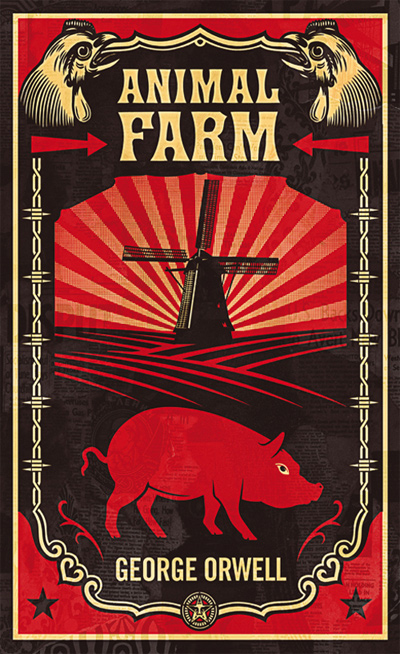
Animal farm 1954
Depicts soviet communism


Hungary/USA - George Pal
Tom thumb 1958
Super imposition, Stop frame animation

Czech Republic Karel Zeman
The fabulous world of Jules Verne 1958


Croatia - Zagreb Film
Salmac (Alone)
Won a prize at venice film festival


Croatia - Dusan Vukotic & Zagreb film
Surogat 1961
first animate film to win an oscar not made in the USA


Japan - Taiji Yabushita
Legend of the white snake - 1958
roots of Manga and anime

Japan - Osamu Tezuka
Astro Boy - 1962
First a manga comic made in 1952

China - Wan Laiming
Havoc in Heaven - 1961

Russia - Fyodor Khitruk
Story of One Crime - 1962
seen as and attack on government housing policies


Monday, 23 May 2016

Bicycle Thieves


The Bicycle Thief - Ladri di Biciclette directed by Vittorio De Sica


Bicycle Thieves Poster


The Italian Neorealist film Ladri Di Biciclette - The Bicycle Thief directed by Vittorio De Sica, is an emotional film that is displays a relationship between a lower class father and son in post war Rome. the The statement that this film is one of the greatest ever made is justified by the way of realism. the Character arc though out the story of the father who has his bicycle stolen is very realistic brought out by the acting and precise editing techniques. Considering the actors were not professionals they delivered an extremely believable performance. The story leads the viewer to become emotionally involved with the family in the way that it builds up the importance of the bicycle and what it represents.

The use of natural lighting is incredible and shows that films can be made without the use of large lighting sets and extensive equipment. Also filming on location is very effective and makes the viewer feel like they have been to Rome in the 1940's. 

The ending of the film is questionable as every viewer wants the father the get his bike back but i leaves it open and displays the uncertainty that many families in poverty face.

Monday, 16 May 2016

Italian Neorealisim


Italian Neorealisim

Conventions:

Filming on Location:
example Germany Year Zero in bombed out buildings after WWII;


Image result for germany year zero film

Non professional actors:
The Bicycle thief used a Father and Son with no acting experience.
Image result for the bicycle thief


Use of natural lighting:


Image result for italian neorealism natural lighting


Documentary style:

Avoidance of complex postproduction editing: no fast pace editing was used but the use of montage is evident.

Stories focused on lower class of society.

Luchino Visconti

Ossessione - not considered full realist montage.


Roberto Rossellini

War trilogy filmed on location -

    Rome Open City

    Paisan

    GermanyYear zero

Vittorio De Sica

The Bicycle thief.